
Peptide Calculator
Dosage Parameters
Results
Your calculated dosage measurement
100 units = 1.0 mL
For research purposes only. Not for human or veterinary consumption. Plum Labs Research assumes no liability for experimental errors or misuse of calculations. Results are mathematical models based on ideal fluid dynamics.
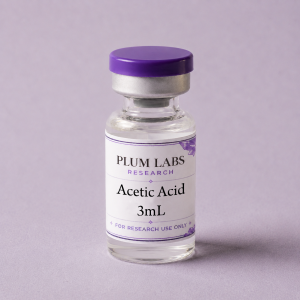
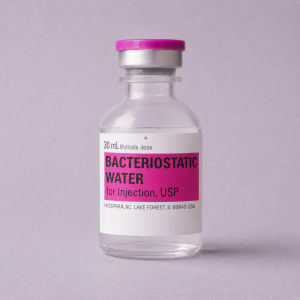

How to Calculate Peptide Dosage
Input the total milligrams (mg) of peptide listed on your vial.
Input the total milliliters (mL) of solution added to the vial.
Enter the intended dose in milligrams (mg).
The calculator will display the corresponding units based on a 100 unit syringe (1 mL).
Peptide Frequently Asked Questions (FAQ)
How long do reconstituted peptides last in the refrigerator?
Reconstituted peptides should generally be stored refrigerated after preparation, but the usable lifespan can vary depending on the specific compound, storage conditions, handling practices, and the solution used during reconstitution. Factors such as temperature consistency, exposure to light, repeated handling, and potential contamination can all influence overall stability.
Because different peptides have different formulation characteristics, there is no single universal timeframe that applies to every compound. For this reason, it is best to follow any product-specific storage guidance provided for the particular material being handled. Proper refrigeration and careful handling practices are commonly recommended to help maintain consistency and reduce unnecessary degradation over time.
Why is sterile solution with 0.9% benzyl alcohol used during reconstitution?
Sterile solution with 0.9% benzyl alcohol is commonly used during reconstitution because it provides a sterile liquid medium while also containing benzyl alcohol as a preservative. This type of solution is often selected when a vial may be accessed more than once, as the preservative can help support cleaner multi-use handling compared with preservative-free sterile water alone.
It is also frequently used to create a consistent concentration during reconstitution, allowing measurements to be read more accurately on a syringe scale. Storage conditions, handling technique, and the specific compound involved can all influence overall stability and usability after reconstitution, so product-specific guidance should always be followed where available.
Can different peptides be mixed in the same syringe?
Mixing different peptides in the same syringe is generally not recommended unless compatibility, stability, and handling requirements have been clearly established for the specific compounds involved. Different peptides may have different formulation characteristics, solubility requirements, pH sensitivities, or storage considerations, and combining them without verified compatibility information may affect consistency or make measurement less reliable.
For clarity and handling consistency, peptides are commonly prepared and handled separately unless there is validated information available for the exact combination being considered. Proper storage conditions, reconstitution methods, and handling practices can also vary between compounds, so following product-specific guidance is recommended whenever available.